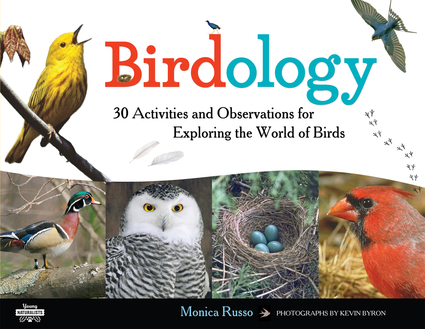
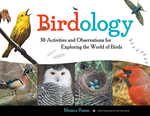
Birdology

Birdology
Birdology

Birdology

30 Activities and Observations for Exploring the World of Birds
By Monica Russo, Photographs by Kevin Byron

Young Naturalists

JUVENILE NONFICTION

128 Pages, 8.5 x 11

Formats: Trade Paper, EPUB, Mobipocket, PDF

PDF, $12.99 (US $12.99) (CA $17.99)

ISBN 9781613749500

Rights: WOR

Chicago Review Press (Jan 2015)

eBook

eBook Editions Available

Will it work on my eReader?
Price: $12.99
NOTE: You are attempting to order an e-book. Please see will it work on my eReader? for directions on how to enjoy this book on your eReader device.
 
Add E-book to Cart
Google Preview
9781613749500
Media Copy

Overview

AAAS Subaru SB&F Excellence in Science Finalist 2016
NSTA-CBC Outstanding Science Trade Books for Students K-12 2016

Encourage young nature enthusiasts to explore the world of birds

This generously illustrated, full-color book teaches kids that birds can be seen almost anywhere: in city parks and streets, zoos, farms, and backyards. Migration, habitat, and conservation topics introduce kids to this colorful world. 

Using “Try This,” “Look For,” and “Listen For” prompts, Birdology promotes independent observation and analysis, writing and drawing skills, and nature literacy.

Kids will:
• observe the diversity of shapes, colors, patterns, and behavior of birds
• listen for their songs and the clap of wings
• make a juice-box feeder
• plant flowers that attract hummingbirds
• start a birding journal and sketchbook
• and much more!

Additional resources, such as a glossary, bird orders and scientific names, bird and wildlife organizations, and “Teacher Topics” to initiate classroom discussion and investigation, are also included.

Reviews

“The activities are relatively simple and could easily be done independently or as a family or class project. For older readers or adults who hope to encourage young nature watchers, a thorough and interesting exploration.” —Kirkus


“This wide-format guide to everything avian is a great starting point for burgeoning bird-watchers. Each chapter offers a dizzying wealth of information about birds and their songs, field markings, beaks, wings, diet, behavior, habitats, and more.” —Booklist


“This book is just the right fact-based activities manual for the grade-schooler curious about the world outside the front door…The author’s talent with words coupled with the photographic skills of Kevin Byron makes this an anchor volume for every child’s nature library.” —Birding Business


“It is jam-packed, from cover to cover, with fascinating information, facts and tidbits about birds… This would be a great book to use in the classroom to supplement a unit on birds or simply to sit down and read for pleasure.” —KidsReads


“This is a great book for naturalists and bird watchers to share with a 7-to-12-year-old who wants to know what the feathered fuss is all about. Once you’ve got “Birdology,” you’ll both be singing its praises.” —The Bookworm Sez


“There are so many fascinating lessons about birds to be learned, and Monica Russo guides readers through that learning process in such a way that they can lead themselves to a better understanding of the birds common to their own cities and states. The book is fascinating to read, the photographs are wonderful to look at and Birdology does a delightful job of turning middle readers into young ornithologists and protectors of planet earth.” —Smart Books for Smart Kids

Author Biography

Monica Russo is the author and illustrator of several children’s nature books, including Amazing Insects, Chilly Creatures, Tree Almanac, and Watching Nature. She wrote the “Nature Notes” column for southern Maine’s Sun Chronicle for many years. She is an experienced birdwatcher and a founding member of the Maine Entomological Society. Kevin Byron is a photographer who specializes in nature, wildlife, and ship images and whose work has appeared in many books, magazines, and newspapers, including BirdScope magazine, the Kennebunk Post, the New York Times, and Watching Nature. They both live in Kennebunk, Maine.

May we also suggest...
Insectigations
Insectigations ›
By Cindy Blobaum

Trade Paper

Published Aug 2005

From butterflies and beetles to crickets and katydids, these experiments, art projects, and games will bring out the entomologist in every kid. Activities include collecting and sketching insects, making a terrarium for observation, raising mealworms, using math to measure bug strength, gardening to attract butterflies and other insects, and making an insect amplifier. A unique insect board game helps kids learn fascinating bug facts while they play. Sidebars offer a look into the world of professional entomology, as well as gross facts about insects that will provide great playground trivia, including the USDA's guidelines for allowable insect parts per cup of food. Kids will learn that science is not just something to read about, but something they can observe and study in the world around them.
Insectigations
Insectigations ›
By Cindy Blobaum

PDF

Published Nov 2005

From butterflies and beetles to crickets and katydids, these experiments, art projects, and games will bring out the entomologist in every kid. Activities include collecting and sketching insects, making a terrarium for observation, raising mealworms, using math to measure bug strength, gardening to attract butterflies and other insects, and making an insect amplifier. A unique insect board game helps kids learn fascinating bug facts while they play. Sidebars offer a look into the world of professional entomology, as well as gross facts about insects that will provide great playground trivia, including the USDA's guidelines for allowable insect parts per cup of food. Kids will learn that science is not just something to read about, but something they can observe and study in the world around them.
Insectigations
Insectigations ›
By Cindy Blobaum

EPUB

Published Nov 2005

From butterflies and beetles to crickets and katydids, these experiments, art projects, and games will bring out the entomologist in every kid. Activities include collecting and sketching insects, making a terrarium for observation, raising mealworms, using math to measure bug strength, gardening to attract butterflies and other insects, and making an insect amplifier. A unique insect board game helps kids learn fascinating bug facts while they play. Sidebars offer a look into the world of professional entomology, as well as gross facts about insects that will provide great playground trivia, including the USDA's guidelines for allowable insect parts per cup of food. Kids will learn that science is not just something to read about, but something they can observe and study in the world around them.
Insectigations
Insectigations ›
By Cindy Blobaum

Mobipocket

Published Nov 2005

From butterflies and beetles to crickets and katydids, these experiments, art projects, and games will bring out the entomologist in every kid. Activities include collecting and sketching insects, making a terrarium for observation, raising mealworms, using math to measure bug strength, gardening to attract butterflies and other insects, and making an insect amplifier. A unique insect board game helps kids learn fascinating bug facts while they play. Sidebars offer a look into the world of professional entomology, as well as gross facts about insects that will provide great playground trivia, including the USDA's guidelines for allowable insect parts per cup of food. Kids will learn that science is not just something to read about, but something they can observe and study in the world around them.
Awesome Snake Science!
Awesome Snake Science! ›
By Cindy Blobaum

Trade Paper

Published Jul 2012

From cobras and copperheads to pythons and boas, all types of snakes are covered in this book of 40 science experiments, art projects, and games that help budding herpetologists gain a greater appreciation for these slithering reptiles. Activities include making foldable fangs to learn how snakes’ teeth and jaws work together; simulating cytotoxic snake venom while making a tasty snack using an everyday enzyme found in pineapple; and mimicking the sound a rattlesnake makes using a rubber band, a paper clip, and an envelope. Engaging, simple, and safe experiments teach kids about the biology of snakes, such as how they use their tongues and nostrils to detect smells, how they are cold-blooded and sensitive to subtle changes in temperature, and how they can detect the slightest vibrations or tremors. Kids do not need a snake for any of the activities and will delight in all the strange snake facts and gross-out projects such as Snake Stink—where they create their own signature stink and test how well it repels potential predators.

Did you know...

  • Snakes do not need to be coiled to strike. They can strike from any position, even underwater!
  • Cobras and coachwhips are two of the few snakes that can move in a straight line forward while keeping their upper body raised off the ground
  • Snake venom can actually help humans too: a blood pressure medicine was developed from the venom of a Brazilian pit viper, and over 60 other treatments have been created from snake venoms
Awesome Snake Science!
Awesome Snake Science! ›
By Cindy Blobaum

PDF

Published Jul 2012

From cobras and copperheads to pythons and boas, all types of snakes are covered in this book of 40 science experiments, art projects, and games that help budding herpetologists gain a greater appreciation for these slithering reptiles. Activities include making foldable fangs to learn how snakes’ teeth and jaws work together; simulating cytotoxic snake venom while making a tasty snack using an everyday enzyme found in pineapple; and mimicking the sound a rattlesnake makes using a rubber band, a paper clip, and an envelope. Engaging, simple, and safe experiments teach kids about the biology of snakes, such as how they use their tongues and nostrils to detect smells, how they are cold-blooded and sensitive to subtle changes in temperature, and how they can detect the slightest vibrations or tremors. Kids do not need a snake for any of the activities and will delight in all the strange snake facts and gross-out projects such as Snake Stink—where they create their own signature stink and test how well it repels potential predators.

Did you know...

  • Snakes do not need to be coiled to strike. They can strike from any position, even underwater!
  • Cobras and coachwhips are two of the few snakes that can move in a straight line forward while keeping their upper body raised off the ground
  • Snake venom can actually help humans too: a blood pressure medicine was developed from the venom of a Brazilian pit viper, and over 60 other treatments have been created from snake venoms
Awesome Snake Science!
Awesome Snake Science! ›
By Cindy Blobaum

Mobipocket

Published Jul 2012

From cobras and copperheads to pythons and boas, all types of snakes are covered in this book of 40 science experiments, art projects, and games that help budding herpetologists gain a greater appreciation for these slithering reptiles. Activities include making foldable fangs to learn how snakes’ teeth and jaws work together; simulating cytotoxic snake venom while making a tasty snack using an everyday enzyme found in pineapple; and mimicking the sound a rattlesnake makes using a rubber band, a paper clip, and an envelope. Engaging, simple, and safe experiments teach kids about the biology of snakes, such as how they use their tongues and nostrils to detect smells, how they are cold-blooded and sensitive to subtle changes in temperature, and how they can detect the slightest vibrations or tremors. Kids do not need a snake for any of the activities and will delight in all the strange snake facts and gross-out projects such as Snake Stink—where they create their own signature stink and test how well it repels potential predators.

Did you know...

  • Snakes do not need to be coiled to strike. They can strike from any position, even underwater!
  • Cobras and coachwhips are two of the few snakes that can move in a straight line forward while keeping their upper body raised off the ground
  • Snake venom can actually help humans too: a blood pressure medicine was developed from the venom of a Brazilian pit viper, and over 60 other treatments have been created from snake venoms
Awesome Snake Science!
Awesome Snake Science! ›
By Cindy Blobaum

EPUB

Published Jul 2012

From cobras and copperheads to pythons and boas, all types of snakes are covered in this book of 40 science experiments, art projects, and games that help budding herpetologists gain a greater appreciation for these slithering reptiles. Activities include making foldable fangs to learn how snakes’ teeth and jaws work together; simulating cytotoxic snake venom while making a tasty snack using an everyday enzyme found in pineapple; and mimicking the sound a rattlesnake makes using a rubber band, a paper clip, and an envelope. Engaging, simple, and safe experiments teach kids about the biology of snakes, such as how they use their tongues and nostrils to detect smells, how they are cold-blooded and sensitive to subtle changes in temperature, and how they can detect the slightest vibrations or tremors. Kids do not need a snake for any of the activities and will delight in all the strange snake facts and gross-out projects such as Snake Stink—where they create their own signature stink and test how well it repels potential predators.

Did you know...

  • Snakes do not need to be coiled to strike. They can strike from any position, even underwater!
  • Cobras and coachwhips are two of the few snakes that can move in a straight line forward while keeping their upper body raised off the ground
  • Snake venom can actually help humans too: a blood pressure medicine was developed from the venom of a Brazilian pit viper, and over 60 other treatments have been created from snake venoms
Birdology
Birdology ›
By Monica Russo, Photographs by Kevin Byron

Trade Paper

Published Jan 2015

AAAS Subaru SB&F Excellence in Science Finalist 2016
NSTA-CBC Outstanding Science Trade Books for Students K-12 2016

Encourage young nature enthusiasts to explore the world of birds

This generously illustrated, full-color book teaches kids that birds can be seen almost anywhere: in city parks and streets, zoos, farms, and backyards. Migration, habitat, and conservation topics introduce kids to this colorful world. 

Using “Try This,” “Look For,” and “Listen For” prompts, Birdology promotes independent observation and analysis, writing and drawing skills, and nature literacy.

Kids will:
• observe the diversity of shapes, colors, patterns, and behavior of birds
• listen for their songs and the clap of wings
• make a juice-box feeder
• plant flowers that attract hummingbirds
• start a birding journal and sketchbook
• and much more!

Additional resources, such as a glossary, bird orders and scientific names, bird and wildlife organizations, and “Teacher Topics” to initiate classroom discussion and investigation, are also included.
Birdology
Birdology ›
By Monica Russo, Photographs by Kevin Byron

EPUB

Published Jan 2015

AAAS Subaru SB&F Excellence in Science Finalist 2016
NSTA-CBC Outstanding Science Trade Books for Students K-12 2016

Encourage young nature enthusiasts to explore the world of birds

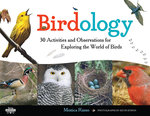
This generously illustrated, full-color book teaches kids that birds can be seen almost anywhere: in city parks and streets, zoos, farms, and backyards. Migration, habitat, and conservation topics introduce kids to this colorful world. 

Using “Try This,” “Look For,” and “Listen For” prompts, Birdology promotes independent observation and analysis, writing and drawing skills, and nature literacy.

Kids will:
• observe the diversity of shapes, colors, patterns, and behavior of birds
• listen for their songs and the clap of wings
• make a juice-box feeder
• plant flowers that attract hummingbirds
• start a birding journal and sketchbook
• and much more!

Additional resources, such as a glossary, bird orders and scientific names, bird and wildlife organizations, and “Teacher Topics” to initiate classroom discussion and investigation, are also included.
Birdology
Birdology ›
By Monica Russo, Photographs by Kevin Byron

Mobipocket

Published Jan 2015

AAAS Subaru SB&F Excellence in Science Finalist 2016
NSTA-CBC Outstanding Science Trade Books for Students K-12 2016

Encourage young nature enthusiasts to explore the world of birds

This generously illustrated, full-color book teaches kids that birds can be seen almost anywhere: in city parks and streets, zoos, farms, and backyards. Migration, habitat, and conservation topics introduce kids to this colorful world. 

Using “Try This,” “Look For,” and “Listen For” prompts, Birdology promotes independent observation and analysis, writing and drawing skills, and nature literacy.

Kids will:
• observe the diversity of shapes, colors, patterns, and behavior of birds
• listen for their songs and the clap of wings
• make a juice-box feeder
• plant flowers that attract hummingbirds
• start a birding journal and sketchbook
• and much more!

Additional resources, such as a glossary, bird orders and scientific names, bird and wildlife organizations, and “Teacher Topics” to initiate classroom discussion and investigation, are also included.
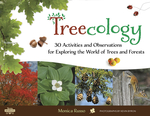
Treecology
Treecology ›
By Monica Russo, Photographs by Kevin Byron

Trade Paper

Published Sep 2016

National Outdoor Book Award Honorable Mention in the Children's category

2017 Outstanding Science Trade Books for Students K-12 (National Science Teachers Association - Children's Book Council)

Finalist for the
 2017 AAAS / Subaru SB&F Excellence in Science Book exemplify outstanding and engaging science writing and illustration for young readers

Did you know . . .Trees have many talents—they can feed and house animals, create windbreaks, protect watersheds, and help prevent soil erosion. Researchers believe they have found the oldest tree in the world—a spruce in Sweden that has been alive for about 9,500 years. Even dead and decaying trees and stumps are often teeming with life!
 
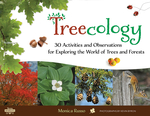
Young nature enthusiasts will learn these and many other fascinating facts about the wonderful world of trees in Treecology. This fun and interactive resource includes plentiful full-color photos and drawings and clear, kid-friendly discussions of tree structures, families, and foods; the interaction between trees and the wildlife that depend on them; tree and forest–related jobs and preservation, and much more. With encouragement to “Try This,” “Look For,” and “Listen For,” kids participate in 30 hands-on activities that promote observation and analysis, writing and drawing, math and science, and nature literacy skills. They will measure the circumference of a tree trunk, press and preserve leaves, study the textures of tree bark, find evidence of forest creatures, record their findings in a decorated forest logbook, and more. Readers from any region will start to take notice of the trees around them—not just in forests and woods but also around the schools, parks, buildings, and sidewalks of their town, and in their own backyards. Useful resources include a glossary of “tree terms,” common and scientific names, a list of tree and nature organizations and groups, and a teacher’s guide to initiate classroom discussion and investigation.
Treecology
Treecology ›
By Monica Russo, Photographs by Kevin Byron

PDF

Published Sep 2016

National Outdoor Book Award Honorable Mention in the Children's category

2017 Outstanding Science Trade Books for Students K-12 (National Science Teachers Association - Children's Book Council)

Finalist for the
 2017 AAAS / Subaru SB&F Excellence in Science Book exemplify outstanding and engaging science writing and illustration for young readers

Did you know . . .Trees have many talents—they can feed and house animals, create windbreaks, protect watersheds, and help prevent soil erosion. Researchers believe they have found the oldest tree in the world—a spruce in Sweden that has been alive for about 9,500 years. Even dead and decaying trees and stumps are often teeming with life!
 
Young nature enthusiasts will learn these and many other fascinating facts about the wonderful world of trees in Treecology. This fun and interactive resource includes plentiful full-color photos and drawings and clear, kid-friendly discussions of tree structures, families, and foods; the interaction between trees and the wildlife that depend on them; tree and forest–related jobs and preservation, and much more. With encouragement to “Try This,” “Look For,” and “Listen For,” kids participate in 30 hands-on activities that promote observation and analysis, writing and drawing, math and science, and nature literacy skills. They will measure the circumference of a tree trunk, press and preserve leaves, study the textures of tree bark, find evidence of forest creatures, record their findings in a decorated forest logbook, and more. Readers from any region will start to take notice of the trees around them—not just in forests and woods but also around the schools, parks, buildings, and sidewalks of their town, and in their own backyards. Useful resources include a glossary of “tree terms,” common and scientific names, a list of tree and nature organizations and groups, and a teacher’s guide to initiate classroom discussion and investigation.
Treecology
Treecology ›
By Monica Russo, Photographs by Kevin Byron

Mobipocket

Published Sep 2016

National Outdoor Book Award Honorable Mention in the Children's category

2017 Outstanding Science Trade Books for Students K-12 (National Science Teachers Association - Children's Book Council)

Finalist for the
 2017 AAAS / Subaru SB&F Excellence in Science Book exemplify outstanding and engaging science writing and illustration for young readers

Did you know . . .Trees have many talents—they can feed and house animals, create windbreaks, protect watersheds, and help prevent soil erosion. Researchers believe they have found the oldest tree in the world—a spruce in Sweden that has been alive for about 9,500 years. Even dead and decaying trees and stumps are often teeming with life!
 
Young nature enthusiasts will learn these and many other fascinating facts about the wonderful world of trees in Treecology. This fun and interactive resource includes plentiful full-color photos and drawings and clear, kid-friendly discussions of tree structures, families, and foods; the interaction between trees and the wildlife that depend on them; tree and forest–related jobs and preservation, and much more. With encouragement to “Try This,” “Look For,” and “Listen For,” kids participate in 30 hands-on activities that promote observation and analysis, writing and drawing, math and science, and nature literacy skills. They will measure the circumference of a tree trunk, press and preserve leaves, study the textures of tree bark, find evidence of forest creatures, record their findings in a decorated forest logbook, and more. Readers from any region will start to take notice of the trees around them—not just in forests and woods but also around the schools, parks, buildings, and sidewalks of their town, and in their own backyards. Useful resources include a glossary of “tree terms,” common and scientific names, a list of tree and nature organizations and groups, and a teacher’s guide to initiate classroom discussion and investigation.
Treecology
Treecology ›
By Monica Russo, Photographs by Kevin Byron

EPUB

Published Sep 2016

National Outdoor Book Award Honorable Mention in the Children's category

2017 Outstanding Science Trade Books for Students K-12 (National Science Teachers Association - Children's Book Council)

Finalist for the
 2017 AAAS / Subaru SB&F Excellence in Science Book exemplify outstanding and engaging science writing and illustration for young readers

Did you know . . .Trees have many talents—they can feed and house animals, create windbreaks, protect watersheds, and help prevent soil erosion. Researchers believe they have found the oldest tree in the world—a spruce in Sweden that has been alive for about 9,500 years. Even dead and decaying trees and stumps are often teeming with life!
 
Young nature enthusiasts will learn these and many other fascinating facts about the wonderful world of trees in Treecology. This fun and interactive resource includes plentiful full-color photos and drawings and clear, kid-friendly discussions of tree structures, families, and foods; the interaction between trees and the wildlife that depend on them; tree and forest–related jobs and preservation, and much more. With encouragement to “Try This,” “Look For,” and “Listen For,” kids participate in 30 hands-on activities that promote observation and analysis, writing and drawing, math and science, and nature literacy skills. They will measure the circumference of a tree trunk, press and preserve leaves, study the textures of tree bark, find evidence of forest creatures, record their findings in a decorated forest logbook, and more. Readers from any region will start to take notice of the trees around them—not just in forests and woods but also around the schools, parks, buildings, and sidewalks of their town, and in their own backyards. Useful resources include a glossary of “tree terms,” common and scientific names, a list of tree and nature organizations and groups, and a teacher’s guide to initiate classroom discussion and investigation.
Plantology
Plantology ›
By Michael Elsohn Ross

Trade Paper

Published Feb 2019

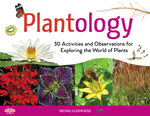
Explore the fascinating world of plants with hands-on activities and observations! Plantology guides young nature enthusiasts on a journey into the world of plants and their vital role in our lives. This interactive resource presents clear, kid-friendly discussions of plant topics, from seeds and roots to flowers and fruits.

Naturalist Michael Elsohn Ross goes beyond plant basics, exploring common weeds, plant defense systems, seed dispersal, and everyday plant products. With 30 hands-on activities, kids develop observation, analysis, writing, drawing, math, science, and nature literacy skills. They'll keep a plant journal, sketch plant shapes, start a seed collection, and make tasty plant dishes.

Perfect for ages 7+, Plantology encourages readers to notice plants in parks, gardens, schools, and backyards. Discover the solutions plants offer, from sewage treatment to medical cures. Includes a glossary, plant organizations list, and teacher’s guide.
Plantology
Plantology ›
By Michael Elsohn Ross

Mobipocket

Published Feb 2019

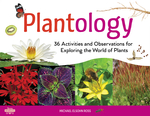
Explore the fascinating world of plants with hands-on activities and observations! Plantology guides young nature enthusiasts on a journey into the world of plants and their vital role in our lives. This interactive resource presents clear, kid-friendly discussions of plant topics, from seeds and roots to flowers and fruits.

Naturalist Michael Elsohn Ross goes beyond plant basics, exploring common weeds, plant defense systems, seed dispersal, and everyday plant products. With 30 hands-on activities, kids develop observation, analysis, writing, drawing, math, science, and nature literacy skills. They'll keep a plant journal, sketch plant shapes, start a seed collection, and make tasty plant dishes.

Perfect for ages 7+, Plantology encourages readers to notice plants in parks, gardens, schools, and backyards. Discover the solutions plants offer, from sewage treatment to medical cures. Includes a glossary, plant organizations list, and teacher’s guide.
Plantology
Plantology ›
By Michael Elsohn Ross

PDF

Published Feb 2019

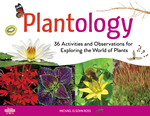
Explore the fascinating world of plants with hands-on activities and observations! Plantology guides young nature enthusiasts on a journey into the world of plants and their vital role in our lives. This interactive resource presents clear, kid-friendly discussions of plant topics, from seeds and roots to flowers and fruits.

Naturalist Michael Elsohn Ross goes beyond plant basics, exploring common weeds, plant defense systems, seed dispersal, and everyday plant products. With 30 hands-on activities, kids develop observation, analysis, writing, drawing, math, science, and nature literacy skills. They'll keep a plant journal, sketch plant shapes, start a seed collection, and make tasty plant dishes.

Perfect for ages 7+, Plantology encourages readers to notice plants in parks, gardens, schools, and backyards. Discover the solutions plants offer, from sewage treatment to medical cures. Includes a glossary, plant organizations list, and teacher’s guide.
Plantology
Plantology ›
By Michael Elsohn Ross

EPUB

Published Feb 2019

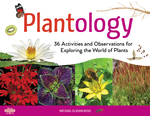
Explore the fascinating world of plants with hands-on activities and observations! Plantology guides young nature enthusiasts on a journey into the world of plants and their vital role in our lives. This interactive resource presents clear, kid-friendly discussions of plant topics, from seeds and roots to flowers and fruits.

Naturalist Michael Elsohn Ross goes beyond plant basics, exploring common weeds, plant defense systems, seed dispersal, and everyday plant products. With 30 hands-on activities, kids develop observation, analysis, writing, drawing, math, science, and nature literacy skills. They'll keep a plant journal, sketch plant shapes, start a seed collection, and make tasty plant dishes.

Perfect for ages 7+, Plantology encourages readers to notice plants in parks, gardens, schools, and backyards. Discover the solutions plants offer, from sewage treatment to medical cures. Includes a glossary, plant organizations list, and teacher’s guide.
Amazing Amphibians
Amazing Amphibians ›
By Lisa J. Amstutz

EPUB

Published Jan 2020

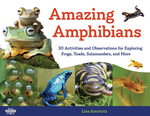
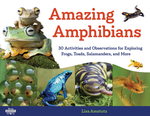
Young nature enthusiasts will learn these and other fascinating facts about amphibians in this colorful, interactive resource. Readers will explore the major amphibian groups—frogs, salamanders, and caecilians— including their anatomy, behavior, and conservation needs, and will learn about slime, venom, hibernation, and much more. Amazing Amphibians gives a full-color overview of amphibian life history, highlights a number of fascinating species, and explains characteristics of amphibians, such as egg-laying, metamorphosis, and ectothermy. With encouragement to “Try This,” “Look For,” and “Listen For,” kids participate in 30 hands-on activities that promote observation and analysis, writing and drawing, math and science, and nature literacy skills. This useful resource includes a glossary of scientific terms, a list of amphibian orders, and a teacher’s guide to initiate classroom discussion.

Did you know . . .
  • Goliath frogs can grow to 6½ pounds and jump 10 feet in a single leap?
  • The mudpuppy, a species of salamander, gets its name from the doglike barking sound it makes when out of the water?
  • The North American wood frog can survive brutal winters, even after it has frozen solid?
Amazing Amphibians
Amazing Amphibians ›
By Lisa J. Amstutz

PDF

Published Jan 2020

Young nature enthusiasts will learn these and other fascinating facts about amphibians in this colorful, interactive resource. Readers will explore the major amphibian groups—frogs, salamanders, and caecilians— including their anatomy, behavior, and conservation needs, and will learn about slime, venom, hibernation, and much more. Amazing Amphibians gives a full-color overview of amphibian life history, highlights a number of fascinating species, and explains characteristics of amphibians, such as egg-laying, metamorphosis, and ectothermy. With encouragement to “Try This,” “Look For,” and “Listen For,” kids participate in 30 hands-on activities that promote observation and analysis, writing and drawing, math and science, and nature literacy skills. This useful resource includes a glossary of scientific terms, a list of amphibian orders, and a teacher’s guide to initiate classroom discussion.

Did you know . . .
  • Goliath frogs can grow to 6½ pounds and jump 10 feet in a single leap?
  • The mudpuppy, a species of salamander, gets its name from the doglike barking sound it makes when out of the water?
  • The North American wood frog can survive brutal winters, even after it has frozen solid?
Amazing Amphibians
Amazing Amphibians ›
By Lisa J. Amstutz

Mobipocket

Published Jan 2020

Young nature enthusiasts will learn these and other fascinating facts about amphibians in this colorful, interactive resource. Readers will explore the major amphibian groups—frogs, salamanders, and caecilians— including their anatomy, behavior, and conservation needs, and will learn about slime, venom, hibernation, and much more. Amazing Amphibians gives a full-color overview of amphibian life history, highlights a number of fascinating species, and explains characteristics of amphibians, such as egg-laying, metamorphosis, and ectothermy. With encouragement to “Try This,” “Look For,” and “Listen For,” kids participate in 30 hands-on activities that promote observation and analysis, writing and drawing, math and science, and nature literacy skills. This useful resource includes a glossary of scientific terms, a list of amphibian orders, and a teacher’s guide to initiate classroom discussion.

Did you know . . .
  • Goliath frogs can grow to 6½ pounds and jump 10 feet in a single leap?
  • The mudpuppy, a species of salamander, gets its name from the doglike barking sound it makes when out of the water?
  • The North American wood frog can survive brutal winters, even after it has frozen solid?
Amazing Amphibians
Amazing Amphibians ›
By Lisa J. Amstutz

Trade Paper

Published Jan 2020

Young nature enthusiasts will learn these and other fascinating facts about amphibians in this colorful, interactive resource. Readers will explore the major amphibian groups—frogs, salamanders, and caecilians— including their anatomy, behavior, and conservation needs, and will learn about slime, venom, hibernation, and much more. Amazing Amphibians gives a full-color overview of amphibian life history, highlights a number of fascinating species, and explains characteristics of amphibians, such as egg-laying, metamorphosis, and ectothermy. With encouragement to “Try This,” “Look For,” and “Listen For,” kids participate in 30 hands-on activities that promote observation and analysis, writing and drawing, math and science, and nature literacy skills. This useful resource includes a glossary of scientific terms, a list of amphibian orders, and a teacher’s guide to initiate classroom discussion.

Did you know . . .
  • Goliath frogs can grow to 6½ pounds and jump 10 feet in a single leap?
  • The mudpuppy, a species of salamander, gets its name from the doglike barking sound it makes when out of the water?
  • The North American wood frog can survive brutal winters, even after it has frozen solid?
Mammal Mania
Mammal Mania ›
By Lisa J. Amstutz

Trade Paper

Published Apr 2021

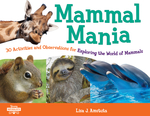
This full-color book of marvelous mammals provides 30 hands-on activities to give interested children an overview of the wide varieties of mammals in their world 

How big is a blue whale? Why does a sloth crawl from the safety of a tree to the ground once a week? How does a vampire bat feed?  

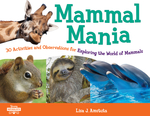
Young nature enthusiasts will find answers to these questions and learn all sorts of fascinating facts about mammals in this full-color, interactive book. Mammal Mania explores what makes mammals unique, as well as their anatomy, behavior, and conservation needs.  

 Readers will learn to build a squirrel feeder, write a putrid poem, make an animal tracking station, and much more.  

Thirty hands-on activities promote observation and analysis, writing and drawing, math and science, and nature literacy skills. 


Young Naturalists is a kid-friendly series that introduces zoology and botany for upper elementary and middle-grades readers. 
Mammal Mania
Mammal Mania ›
By Lisa J. Amstutz

EPUB

Published Apr 2021

This full-color book of marvelous mammals provides 30 hands-on activities to give interested children an overview of the wide varieties of mammals in their world 

How big is a blue whale? Why does a sloth crawl from the safety of a tree to the ground once a week? How does a vampire bat feed?  

Young nature enthusiasts will find answers to these questions and learn all sorts of fascinating facts about mammals in this full-color, interactive book. Mammal Mania explores what makes mammals unique, as well as their anatomy, behavior, and conservation needs.  

 Readers will learn to build a squirrel feeder, write a putrid poem, make an animal tracking station, and much more.  

Thirty hands-on activities promote observation and analysis, writing and drawing, math and science, and nature literacy skills. 


Young Naturalists is a kid-friendly series that introduces zoology and botany for upper elementary and middle-grades readers. 

Mammal Mania
Mammal Mania ›
By Lisa J. Amstutz

PDF

Published Apr 2021

This full-color book of marvelous mammals provides 30 hands-on activities to give interested children an overview of the wide varieties of mammals in their world 

How big is a blue whale? Why does a sloth crawl from the safety of a tree to the ground once a week? How does a vampire bat feed?  

Young nature enthusiasts will find answers to these questions and learn all sorts of fascinating facts about mammals in this full-color, interactive book. Mammal Mania explores what makes mammals unique, as well as their anatomy, behavior, and conservation needs.  

 Readers will learn to build a squirrel feeder, write a putrid poem, make an animal tracking station, and much more.  

Thirty hands-on activities promote observation and analysis, writing and drawing, math and science, and nature literacy skills. 


Young Naturalists is a kid-friendly series that introduces zoology and botany for upper elementary and middle-grades readers. 

Mammal Mania
Mammal Mania ›
By Lisa J. Amstutz

Mobipocket

Published Apr 2021

This full-color book of marvelous mammals provides 30 hands-on activities to give interested children an overview of the wide varieties of mammals in their world 

How big is a blue whale? Why does a sloth crawl from the safety of a tree to the ground once a week? How does a vampire bat feed?  

Young nature enthusiasts will find answers to these questions and learn all sorts of fascinating facts about mammals in this full-color, interactive book. Mammal Mania explores what makes mammals unique, as well as their anatomy, behavior, and conservation needs.  

 Readers will learn to build a squirrel feeder, write a putrid poem, make an animal tracking station, and much more.  

Thirty hands-on activities promote observation and analysis, writing and drawing, math and science, and nature literacy skills. 


Young Naturalists is a kid-friendly series that introduces zoology and botany for upper elementary and middle-grades readers. 
Funky Fungi
Funky Fungi ›
By Alisha Gabriel, By Sue Heavenrich

PDF

Published Jul 2022

2023 AAAS/Subaru SB&F Prize for Excellence in Science Books Hands-On Science Book winner

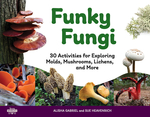
Fungi are everywhere!


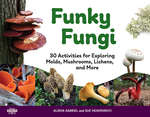
They live in the coldest corner of Antarctica and on hot, sandy desert dunes. They’re in the air you breathe and the food you eat. But fungi are more than pizza toppings.

They form partnerships with plants and help us clean up our planet through bioremediation. Some fungi eat our crops; others protect them. Some fungi cause diseases; others cure them. Some are bigger than you; others are so tiny you need a microscope to see them.

And now, people are finding ways to use fungi to make furniture, building materials, and even sneakers.

So grab your gear and let’s go find some Funky Fungi.
Funky Fungi
Funky Fungi ›
By Alisha Gabriel, By Sue Heavenrich

EPUB

Published Jul 2022

2023 AAAS/Subaru SB&F Prize for Excellence in Science Books Hands-On Science Book winner

Fungi are everywhere!


They live in the coldest corner of Antarctica and on hot, sandy desert dunes. They’re in the air you breathe and the food you eat. But fungi are more than pizza toppings.

They form partnerships with plants and help us clean up our planet through bioremediation. Some fungi eat our crops; others protect them. Some fungi cause diseases; others cure them. Some are bigger than you; others are so tiny you need a microscope to see them.

And now, people are finding ways to use fungi to make furniture, building materials, and even sneakers.

So grab your gear and let’s go find some Funky Fungi.