Suggested reading from Chicago Review Press
 Mother's Day Mother's Day |
 Father's Day Father's Day |


 |
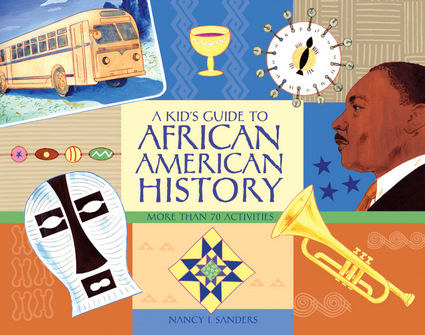
More than 70 Activities
By Nancy Sanders
<P>7-9, Grades 2–4</P>
A Kid's Guide series
JUVENILE NONFICTION
256 Pages, 11 x 8 1/2
Formats: Trade Paper, PDF, Mobipocket, EPUB
Trade Paper, $16.95 (US $16.95) (JP $2856.00) (EU $15.99) (CA $19.95) (AU $26.99)
ISBN 9781556526534
Rights: WOR
Chicago Review Press (Jun 2007)
Overview
Reviews
Author Biography
May we also suggest...
Trade Paper
Published May 2007
Published Nov 2009
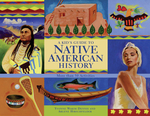
Hands-on activities, games, and crafts introduce children to the diversity of Native American cultures and teach them about the people, experiences, and events that have helped shape America, past and present. Nine geographical areas cover a variety of communities such as the Mohawk in the Northeast, Ojibway in the Midwest, Shoshone in the Great Basin, Apache in the Southwest, Yup'ik in Alaska, and Native Hawaiians. Featuring a look at the lives of notable historical and contemporary individuals, including Chief Joseph and Maria Tallchief, this guide also covers a variety of topics, such as first encounters with Europeans, Indian removal, Mohawk skywalkers, and Navajo code talkers. With activities that highlight the arts, games, food, clothing, unique celebrations, language and lifeways of various nations, kids can make Iroquois corn husk dolls, play Washoe stone jacks, design Inupiat sun goggles, or create a Hawaiian Ma'o-hau-hele Bag. A time line, glossary, and recommendations for websites, books, movies, and museums for further study round out this multicultural guide.
Trade Paper
Published Nov 2009
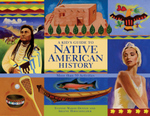
Hands-on activities, games, and crafts introduce children to the diversity of Native American cultures and teach them about the people, experiences, and events that have helped shape America, past and present. Nine geographical areas cover a variety of communities such as the Mohawk in the Northeast, Ojibway in the Midwest, Shoshone in the Great Basin, Apache in the Southwest, Yup'ik in Alaska, and Native Hawaiians. Featuring a look at the lives of notable historical and contemporary individuals, including Chief Joseph and Maria Tallchief, this guide also covers a variety of topics, such as first encounters with Europeans, Indian removal, Mohawk skywalkers, and Navajo code talkers. With activities that highlight the arts, games, food, clothing, unique celebrations, language and lifeways of various nations, kids can make Iroquois corn husk dolls, play Washoe stone jacks, design Inupiat sun goggles, or create a Hawaiian Ma'o-hau-hele Bag. A time line, glossary, and recommendations for websites, books, movies, and museums for further study round out this multicultural guide.
Published Aug 2009
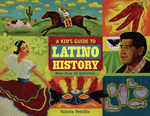
A Kid’s Guide to Latino History features more than 50 hands-on activities, games, and crafts that explore the diversity of Latino culture and teach children about the people, experiences, and events that have shaped Hispanic American history.
Kids can:
* Fill Mexican cascarones for Easter
* Learn to dance the merengue from the Dominican Republic
* Write a short story using “magical realism” from Columbia
* Build Afro-Cuban Bongos
* Create a vejigante mask from Puerto Rico
* Make Guatemalan worry dolls
* Play Loteria, or Mexican bingo, and learn a little Spanish
* And much more
Did you know that the first immigrants to live in America were not the English settlers in Jamestown or the Pilgrims in Plymouth, but the Spanish? They built the first permanent American settlement in St. Augustine, Florida, in 1565. The long and colorful history of Latinos in America comes alive through learning about the missions and early settlements in Florida, New Mexico, Arizona, and California; exploring the Santa Fe Trail; discovering how the Mexican-American War resulted in the Southwest becoming part of the United States; and seeing how recent immigrants from Central and South America bring their heritage to cities like New York and Chicago.
Latinos have transformed American culture and kids will be inspired by Latino authors, artists, athletes, activists, and others who have made significant contributions to American history.
Trade Paper
Published Aug 2009
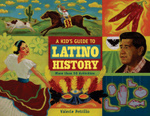
A Kid’s Guide to Latino History features more than 50 hands-on activities, games, and crafts that explore the diversity of Latino culture and teach children about the people, experiences, and events that have shaped Hispanic American history.
Kids can:
* Fill Mexican cascarones for Easter
* Learn to dance the merengue from the Dominican Republic
* Write a short story using “magical realism” from Columbia
* Build Afro-Cuban Bongos
* Create a vejigante mask from Puerto Rico
* Make Guatemalan worry dolls
* Play Loteria, or Mexican bingo, and learn a little Spanish
* And much more
Did you know that the first immigrants to live in America were not the English settlers in Jamestown or the Pilgrims in Plymouth, but the Spanish? They built the first permanent American settlement in St. Augustine, Florida, in 1565. The long and colorful history of Latinos in America comes alive through learning about the missions and early settlements in Florida, New Mexico, Arizona, and California; exploring the Santa Fe Trail; discovering how the Mexican-American War resulted in the Southwest becoming part of the United States; and seeing how recent immigrants from Central and South America bring their heritage to cities like New York and Chicago.
Latinos have transformed American culture and kids will be inspired by Latino authors, artists, athletes, activists, and others who have made significant contributions to American history.
Published May 2007
Published Jun 2007
Mobipocket
Published Jun 2007
EPUB
Published Jun 2007
EPUB
Published May 2007
Mobipocket
Published May 2007
EPUB
Published Aug 2009
A Kid’s Guide to Latino History features more than 50 hands-on activities, games, and crafts that explore the diversity of Latino culture and teach children about the people, experiences, and events that have shaped Hispanic American history.
Kids can:
* Fill Mexican cascarones for Easter
* Learn to dance the merengue from the Dominican Republic
* Write a short story using “magical realism” from Columbia
* Build Afro-Cuban Bongos
* Create a vejigante mask from Puerto Rico
* Make Guatemalan worry dolls
* Play Loteria, or Mexican bingo, and learn a little Spanish
* And much more
Did you know that the first immigrants to live in America were not the English settlers in Jamestown or the Pilgrims in Plymouth, but the Spanish? They built the first permanent American settlement in St. Augustine, Florida, in 1565. The long and colorful history of Latinos in America comes alive through learning about the missions and early settlements in Florida, New Mexico, Arizona, and California; exploring the Santa Fe Trail; discovering how the Mexican-American War resulted in the Southwest becoming part of the United States; and seeing how recent immigrants from Central and South America bring their heritage to cities like New York and Chicago.
Latinos have transformed American culture and kids will be inspired by Latino authors, artists, athletes, activists, and others who have made significant contributions to American history.
Mobipocket
Published Aug 2009
A Kid’s Guide to Latino History features more than 50 hands-on activities, games, and crafts that explore the diversity of Latino culture and teach children about the people, experiences, and events that have shaped Hispanic American history.
Kids can:
* Fill Mexican cascarones for Easter
* Learn to dance the merengue from the Dominican Republic
* Write a short story using “magical realism” from Columbia
* Build Afro-Cuban Bongos
* Create a vejigante mask from Puerto Rico
* Make Guatemalan worry dolls
* Play Loteria, or Mexican bingo, and learn a little Spanish
* And much more
Did you know that the first immigrants to live in America were not the English settlers in Jamestown or the Pilgrims in Plymouth, but the Spanish? They built the first permanent American settlement in St. Augustine, Florida, in 1565. The long and colorful history of Latinos in America comes alive through learning about the missions and early settlements in Florida, New Mexico, Arizona, and California; exploring the Santa Fe Trail; discovering how the Mexican-American War resulted in the Southwest becoming part of the United States; and seeing how recent immigrants from Central and South America bring their heritage to cities like New York and Chicago.
Latinos have transformed American culture and kids will be inspired by Latino authors, artists, athletes, activists, and others who have made significant contributions to American history.
EPUB
Published Nov 2009
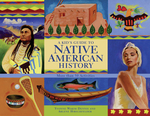
Hands-on activities, games, and crafts introduce children to the diversity of Native American cultures and teach them about the people, experiences, and events that have helped shape America, past and present. Nine geographical areas cover a variety of communities such as the Mohawk in the Northeast, Ojibway in the Midwest, Shoshone in the Great Basin, Apache in the Southwest, Yup'ik in Alaska, and Native Hawaiians. Featuring a look at the lives of notable historical and contemporary individuals, including Chief Joseph and Maria Tallchief, this guide also covers a variety of topics, such as first encounters with Europeans, Indian removal, Mohawk skywalkers, and Navajo code talkers. With activities that highlight the arts, games, food, clothing, unique celebrations, language and lifeways of various nations, kids can make Iroquois corn husk dolls, play Washoe stone jacks, design Inupiat sun goggles, or create a Hawaiian Ma'o-hau-hele Bag. A time line, glossary, and recommendations for websites, books, movies, and museums for further study round out this multicultural guide.
Mobipocket
Published Nov 2009
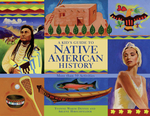
Hands-on activities, games, and crafts introduce children to the diversity of Native American cultures and teach them about the people, experiences, and events that have helped shape America, past and present. Nine geographical areas cover a variety of communities such as the Mohawk in the Northeast, Ojibway in the Midwest, Shoshone in the Great Basin, Apache in the Southwest, Yup'ik in Alaska, and Native Hawaiians. Featuring a look at the lives of notable historical and contemporary individuals, including Chief Joseph and Maria Tallchief, this guide also covers a variety of topics, such as first encounters with Europeans, Indian removal, Mohawk skywalkers, and Navajo code talkers. With activities that highlight the arts, games, food, clothing, unique celebrations, language and lifeways of various nations, kids can make Iroquois corn husk dolls, play Washoe stone jacks, design Inupiat sun goggles, or create a Hawaiian Ma'o-hau-hele Bag. A time line, glossary, and recommendations for websites, books, movies, and museums for further study round out this multicultural guide.
Trade Paper
Published Jan 2013
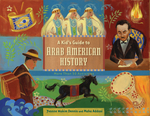
Dispelling common stereotypes—such as the belief that all Arabs share the same culture, religion, and language, and have only recently begun immigrating to the United States—this exploration provides a contemporary as well as historical look at the people and experiences that have shaped Arab American culture. Each chapter focuses on a different group of Arab Americans, including those of Lebanese, Syrian, Palestinian, Jordanian, Egyptian, Iraqi, and Yemeni descent, and features activities that highlight their distinct arts, games, clothing, and food. Kids will love dancing the dabke, constructing a derbekke drum, playing a game of senet, making hummus, creating an arabesque design, and crafting an Egyptian-style cuff bracelet. Along the way they will learn to count in Kurdish, pick up a few Syrian words for family members, learn a Yemeni saying, and learn to speak some Iraqi. Short biographies of notable Arab Americans demonstrate a wide variety of careers and contributions, including actor and philanthropist Danny Thomas, singer Paula Abdul, quarterback Doug Flutie, and activist Ralph Nader. Kids will come away with a better understanding of how Arab Americans have helped build and protect this country and have been part of our fabric as a nation for well over 100 years.
Published Jan 2013
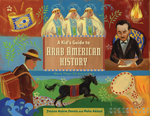
Dispelling common stereotypes—such as the belief that all Arabs share the same culture, religion, and language, and have only recently begun immigrating to the United States—this exploration provides a contemporary as well as historical look at the people and experiences that have shaped Arab American culture. Each chapter focuses on a different group of Arab Americans, including those of Lebanese, Syrian, Palestinian, Jordanian, Egyptian, Iraqi, and Yemeni descent, and features activities that highlight their distinct arts, games, clothing, and food. Kids will love dancing the dabke, constructing a derbekke drum, playing a game of senet, making hummus, creating an arabesque design, and crafting an Egyptian-style cuff bracelet. Along the way they will learn to count in Kurdish, pick up a few Syrian words for family members, learn a Yemeni saying, and learn to speak some Iraqi. Short biographies of notable Arab Americans demonstrate a wide variety of careers and contributions, including actor and philanthropist Danny Thomas, singer Paula Abdul, quarterback Doug Flutie, and activist Ralph Nader. Kids will come away with a better understanding of how Arab Americans have helped build and protect this country and have been part of our fabric as a nation for well over 100 years.
EPUB
Published Jan 2013
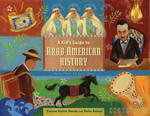
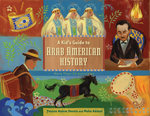
Dispelling common stereotypes—such as the belief that all Arabs share the same culture, religion, and language, and have only recently begun immigrating to the United States—this exploration provides a contemporary as well as historical look at the people and experiences that have shaped Arab American culture. Each chapter focuses on a different group of Arab Americans, including those of Lebanese, Syrian, Palestinian, Jordanian, Egyptian, Iraqi, and Yemeni descent, and features activities that highlight their distinct arts, games, clothing, and food. Kids will love dancing the dabke, constructing a derbekke drum, playing a game of senet, making hummus, creating an arabesque design, and crafting an Egyptian-style cuff bracelet. Along the way they will learn to count in Kurdish, pick up a few Syrian words for family members, learn a Yemeni saying, and learn to speak some Iraqi. Short biographies of notable Arab Americans demonstrate a wide variety of careers and contributions, including actor and philanthropist Danny Thomas, singer Paula Abdul, quarterback Doug Flutie, and activist Ralph Nader. Kids will come away with a better understanding of how Arab Americans have helped build and protect this country and have been part of our fabric as a nation for well over 100 years.
Mobipocket
Published Jan 2013
Dispelling common stereotypes—such as the belief that all Arabs share the same culture, religion, and language, and have only recently begun immigrating to the United States—this exploration provides a contemporary as well as historical look at the people and experiences that have shaped Arab American culture. Each chapter focuses on a different group of Arab Americans, including those of Lebanese, Syrian, Palestinian, Jordanian, Egyptian, Iraqi, and Yemeni descent, and features activities that highlight their distinct arts, games, clothing, and food. Kids will love dancing the dabke, constructing a derbekke drum, playing a game of senet, making hummus, creating an arabesque design, and crafting an Egyptian-style cuff bracelet. Along the way they will learn to count in Kurdish, pick up a few Syrian words for family members, learn a Yemeni saying, and learn to speak some Iraqi. Short biographies of notable Arab Americans demonstrate a wide variety of careers and contributions, including actor and philanthropist Danny Thomas, singer Paula Abdul, quarterback Doug Flutie, and activist Ralph Nader. Kids will come away with a better understanding of how Arab Americans have helped build and protect this country and have been part of our fabric as a nation for well over 100 years.