
Follow Us



 |
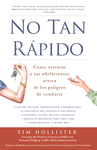
Trade Paper, PDF, EPUB, Mobipocket
Published Sep 2015
Most driving literature for parents focuses on how to teach a teen to drive, without explaining why teen driving is so dangerous in the first place or giving parents a plan to preempt the hazards teens face. By contrast, No tan rápido empowers and guides parents to understand the causes and situations that most often lead to teen crashes and to take specific, proactive steps—before and each time a teen driver gets behind the wheel—to counteract them. This authoritative guide tackles hot button issues such as texting and distracted driving, parenting attitudes (conscious and unconscious), and teen impairment and fatigue—and includes a combination of topics not found in other teen driving guides, such as:
Proceeds from the sale of this book support the Reid Samuel Hollister Memorial Fund, which subsidizes infant and toddler education in greater Hartford, Connecticut, and worthy traffic safety causes.
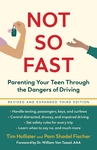
Trade Paper, PDF, EPUB
Published Oct 2025
"This concise, practical, and potentially life-saving book should be required reading for every parent before their teen gets behind the wheel." —Publishers Weekly
Newly updated with the latest information that takes into account the post-pandemic changes and rising crash rates, Not So Fast third edition provides advice to parents, guardians, and other adults who supervise teen drivers about the critical decisions that must be made before getting behind the wheel of a car.
This book helps empower and guide parents of the more than three million teens obtaining new driver’s licenses annually in the United States. Authors Tim Hollister—a parent and safe driver advocate—and Pam Shadel Fischer—a highly experienced transportation safety professional—have been guiding parents of teen drivers for over a decade with this factual and easily applied advice. They prove that supervision before driving is every bit as important to lowering crash rates as teaching teens how to turn at a busy intersection. Parents will learn priceless information for teaching teenagers how to evaluate the circumstances of every driving trip, how to be able to say “no” when necessary, how to prepare a “flight plan” for each drive, and how to put safety before convenience.
Parents will also benefit by learning the real dangers and risks in teen driving and the limits of driver training programs and will thus become more informed and proactive in their supervisory role.